
3 Best Smart Plugs for Heavy Appliances With Scheduling
When it comes to powering heavy appliances like ovens or AC units, finding a smart plug that can handle high currents safely and still offers scheduling features is essential. We’ve tested models that support up to 15 amps—plenty for most household needs—while ensuring reliable Wi-Fi connectivity and voice control compatibility. We’ll explore some top picks, compare their safety certifications, and share pro tips so you can choose wisely. Ready to upgrade your home’s automation? Let’s get started.
Kasa Smart Plug HS103P2, Wi-Fi Outlet for Alexa & Google (Pack of 2)
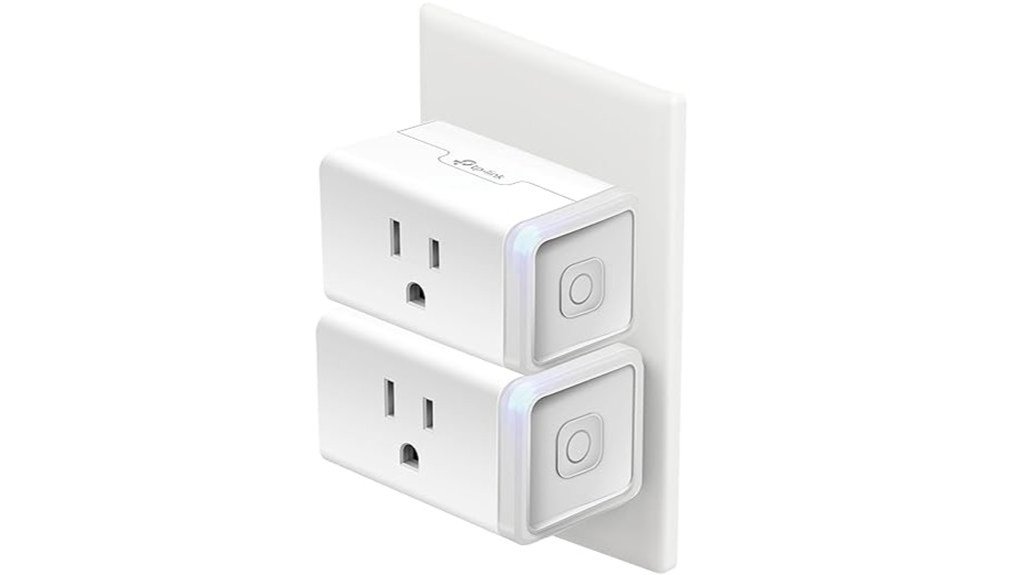
Looking for a simple way to control your heavy appliances? The Kasa Smart Plug HS103P2 makes it easy. It connects to your Wi-Fi with just a few steps. Once set up, you can turn your lamps, fans, or other big devices on or off using your voice through Alexa, Google, or Echo.
Setting it up takes seconds. Plug it in, open the app, and follow the simple instructions. The plug can handle up to 15 amps, so it’s good for most heavy-duty appliances. You can also set schedules to turn things on or off automatically. Plus, there’s a physical button on the plug to turn devices on or off manually.
This pack comes with two smart plugs. They work well with most Wi-Fi networks that run on 2.4GHz. Keep in mind, each plug controls one outlet, so if you want more, you need more plugs or a power strip.
The Kasa Smart Plug is a smart and easy way to make your home more convenient. It’s perfect if you want quick control and some automation without overcomplicating things.
Govee Smart Plug, WiFi Outlets with Alexa & Google Assistant, 4 Pack
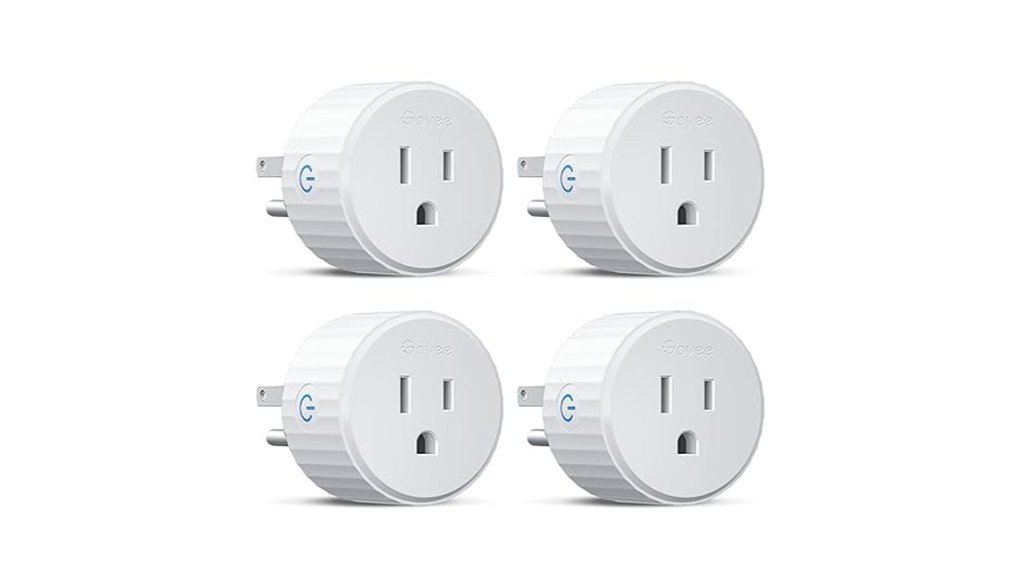
Looking for a way to turn your big appliances on and off easily? The Govee Smart Plug, WiFi Outlets, comes in a pack of 4. It’s simple to use and works well with Alexa and Google Assistant. This smart plug uses both Bluetooth and WiFi, so your connection is faster and more stable than plugs that use only WiFi.
With this smart plug, you can control your devices just by speaking. No need to get up from your chair. You can also set schedules to turn things on or off automatically. This helps save energy and can lower your electric bill. The plug is small and fits into tight spaces. It is rated for 120V, 10A, and 1200W, so it works for most heavy appliances.
To share control with family members, just use the Govee app. It’s easy to set up, and everyone can control the smart outlets from their phone.
Best for: People who want simple, reliable smart outlets to manage heavy appliances using voice commands and schedules.
Pros:
- Uses Bluetooth and WiFi for quick, stable connection.
- Works with Alexa and Google Assistant for voice control.
- Small size fits tight spots; supports up to 10A, 1200W.
Cons:
- Does not work with 5G WiFi networks.
- You need the Govee app to set up and share control.
- Only works with 120V outlets, so it’s not for higher voltage use.
Kasa Smart Plug HS103P3, Wi-Fi Outlet Compatible with Alexa & Google, 3 Pack
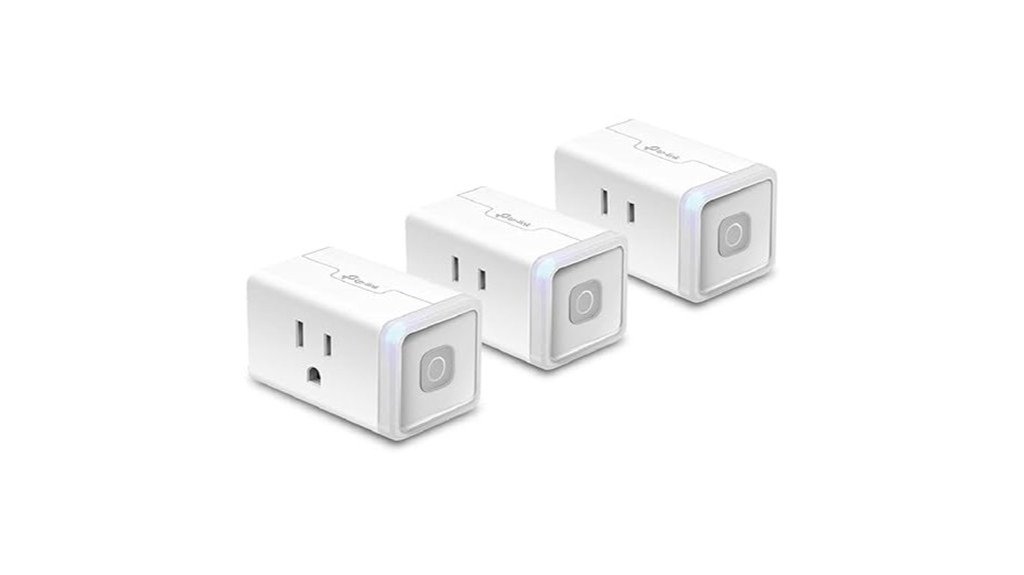
The Kasa Smart Plug HS103P3 is a good choice if you want to control big appliances easily. It works with Alexa and Google Assistant. That means you can say a simple voice command to turn on your fan or heater. Setting it up is quick. Just plug it in, connect to your Wi-Fi network, and follow the steps in the app.
This pack has three plugs. You can control lamps, humidifiers, or holiday lights all at once. You can also set schedules. That helps you save energy and make your home smarter.
Who is this for? It’s perfect for homeowners and renters who want a simple, dependable smart plug. You can control your devices from anywhere and use your voice.
Pros:
- Works with Alexa and Google Assistant for voice control
- Easy to set up with just an app
- Lets you schedule devices to turn on and off automatically
Cons:
- Only works with 2.4GHz Wi-Fi, not 5GHz
- Max power load is 15 amps, so it may not handle very strong appliances
- No physical switch on the plug; you must use the app or voice commands
The Kasa Smart Plug HS103P3 makes controlling your home simple and fun. Its design keeps things easy and reliable, so you can enjoy a smarter home with less hassle.
Factors to Consider When Choosing Smart Plugs for Heavy Appliances With Scheduling
When choosing smart plugs for your heavy appliances, we need to check if they can handle the power loads—most heavy-duty models can support up to 15 amps or around 1800 watts, but always double-check your device’s requirements. We also want to make sure they’re compatible with your setup, like Alexa or Google Assistant, and that the scheduling features are precise and easy to use because nobody wants their coffee maker turning on at midnight. From our tests, a stable Wi-Fi connection and reliable safety certifications are game-changers—skimping here might turn your smart home into a smoky disaster.
Power Capacity Limits
Have you ever noticed that some smart plugs can run your big appliances without any trouble, while others trip the circuit or get hot? It all comes down to power limits.
Smart plugs are rated for a certain amount of power. For most heavy-duty devices like kitchen appliances or washers, pick a smart plug rated at 15 amps. That equals about 1800 watts. This is enough for most household appliances.
Be careful when choosing a smart plug. Check the maximum wattage it can handle. Make sure it’s the same or higher than what your device uses. Overloading a plug can cause sparks, damage, or trips in your breaker box. It can also void the warranty of the plug or your appliance.
A good tip is to always stay within the rated limits of your smart plug. This way, your big chores will stay safe, and your appliances will stay powered up and working well.
Compatibility With Devices
Making sure your heavy appliances work well with smart plugs is important. First, check if the smart plug can handle at least 15 amps at 120 volts. If it can’t, it might turn off or cause problems. Next, see if it works with your voice helpers, like Alexa or Google Assistant. This makes it easy to control your appliances with your voice.
Good internet connection is also important. Wi-Fi is usually better for steady connections, but Bluetooth can work for nearby devices. Also, check if the app for the smart plug works on your phone. You want to set schedules easily.
A good schedule feature helps your appliances turn on and off when you want. This keeps things safe and saves energy. When everything matches up, your appliances will run smoothly. This saves you time and energy every day.
Scheduling Accuracy & Options
Have you noticed that your smart plugs sometimes don’t turn on or off at exactly the right time? This can happen more often with heavy appliances or if the device’s internal clock doesn’t sync well. Sometimes, the schedule gets mixed up, so things don’t turn on or off when you want them to. Many smart plugs let you set daily or weekly routines. These work well if you want things to happen the same way every day. Some plugs also have special features like timers that count down or start late. These give you more control.
But a common problem is Wi-Fi. If your internet is slow or keeps disconnecting, the smart plug might not follow your schedule. To fix this, pick plugs that have good Wi-Fi connections or work with apps like IFTTT. These can help your plug work better with other smart devices. Also, make sure your internet is stable. That way, your plugs will turn on and off when you want, no surprises.
Connectivity Stability & Speed
When you use smart plugs to control big appliances like ovens or heaters, your Wi-Fi needs to be fast and steady. If your internet drops or slows down, your appliances might not turn on right away. That can be frustrating, especially when you want things to work smoothly.
Using dual-band Wi-Fi helps. It supports both 2.4GHz and 5GHz signals. This makes the connection faster and more reliable. Some smart plugs have Bluetooth backup, so you can still control them even if your Wi-Fi has a problem. A strong Wi-Fi signal just for your smart plug makes commands work quickly, which is helpful if you want to set a timer or turn on something instantly.
Interference from other devices can slow down your Wi-Fi. Picking smart plugs with interference-resistant features can fix that. A steady, fast Wi-Fi connection makes controlling your appliances easier and less stressful. Plus, it helps things work the way you want, without the hassle.
Safety Certifications & Standards
Safety certifications are very important when choosing smart plugs for heavy appliances. Certifications like UL, FCC, or ETL show the device has been tested and is safe to use. UL certification, for example, means the plug is less likely to cause fires or electrical problems in the U.S. This helps protect your home and keeps things safe. FCC certification means the device won’t interfere with your Wi-Fi or other electronics. That’s helpful if you have many devices running at once. Always look for these labels before buying a smart plug. They show the product is safe and reliable. Remember, safety should always come first, especially when using big appliances that draw a lot of power.
Easy Installation Process
Setting up a smart plug for big appliances is easy. Most just need you to plug them into the wall. Then, you download the app that goes with the plug. The app gives simple steps to follow. You don’t need to be a tech expert.
Most smart plugs connect to Wi-Fi quickly. Setting them up usually takes less than five minutes. The app guides you step-by-step, so it’s simple to get started. Many models also work with voice assistants like Alexa or Google Assistant. You just press a few buttons or say a voice command to control your devices.
Smart plugs often have a physical button too. You can turn your device on or off by hand, even if your phone isn’t handy.
Here’s a tip: pick a smart plug that comes with clear instructions. Don’t worry if you don’t know much about technology. Easy setup is what matters. It helps you control and schedule your heavy appliances without hassle.
Volume & Package Offers
Choosing packages when buying smart plugs can be a good idea. If you need to control multiple heavy appliances, a pack of two or four plugs works well. Buying in bulk means you have enough outlets for several devices. It also makes setup easier. Plus, buying more at once often gives you a better price. Some larger packs even include smart plugs with extra features, like app control or backup power. These features help you set schedules easily.
Always check that the package has plugs that match your needs. Make sure they can handle at least 15 amps for heavy appliances. Look for models with reliable scheduling options. When you buy from trusted brands, the quality is usually good. This saves you from replacing cheap, low-quality plugs later.
In short, buying multi-packs from good brands saves money, time, and hassle. It makes managing your appliances easier and more reliable.
Frequently Asked Questions
Can Heavy Appliances Be Safely Controlled With Smart Plugs?
Yes, you can safely control heavy appliances with smart plugs if they are rated appropriately for the appliance’s power and voltage. Always check the plug’s specifications, follow manufacturer instructions, and avoid overloading to guarantee safe operation.
What Is the Maximum Load Capacity for These Smart Plugs?
Most smart plugs support a maximum load capacity ranging from 10 to 16 amps, roughly 1200 to 1800 watts. Check your specific model’s specifications to guarantee it handles your heavy appliance’s power requirements safely.
Are These Smart Plugs Suitable for Outdoor Heavy Appliances?
Yes, these smart plugs are suitable for outdoor heavy appliances if they’re rated for outdoor use and meet your appliance’s power requirements. Always check the specifications to guarantee safe operation and avoid overloads or damage.
How Do Privacy and Security Features Protect Connected Devices?
Privacy and security features safeguard your connected devices by encrypting data, preventing unauthorized access, and enabling you to control permissions. This keeps your smart plug activities private and protects your home network from potential cyber threats effectively.
Can Multiple Heavy Appliances Be Scheduled Independently?
Yes, you can schedule multiple heavy appliances independently with smart plugs. Each device can have its own timing, allowing you to control when they power on or off, which helps optimize energy use and convenience effortlessly.

Iris is a passionate tech enthusiast dedicated to helping consumers make informed technology decisions through honest, detailed product reviews and comprehensive buying guides.