
3 Best Robot Vacuums With AI Detection for Pet Waste
If you’ve ever looked at your favorite rug after your pet’s latest accident, you know floors need more than just regular cleaning. We’ve tested several smart vacuums with AI detection, and some stand out for their ability to spot pet waste and handle it efficiently—saving you time and unnecessary stress. From powerful suction to self-emptying bins, these models combine tech and practicality. Wondering which one fits your home best? Keep going for all the details.
Shark AI Ultra Voice Control Robot Vacuum with Self-Empty Base

If you want a robot vacuum that can take care of pet hair, dust, and even messy accidents, the Shark AI Ultra Voice Control Robot Vacuum with Self-Empty Base is a good choice. We tested it, and it has strong suction that cleans all types of floors—like carpets and hardwood. It uses smart mapping with Matrix Clean and 360° LiDAR, so it can clean specific rooms and update its map quickly. It also has a self-empty base that can hold debris for up to 60 days, which means less emptying for you. You can control it easily with an app or your voice. This is perfect for pet owners and busy households who want easy, hands-free cleaning.
Best For: Pet owners and busy homes that need powerful cleaning without much effort, with smart navigation and a self-emptying base.
Pros:
- Strong suction that cleans pet hair and dirt well on all floors
- Smart map and navigation for cleaning specific rooms thoroughly
- Self-empty base holds debris for up to 60 days, saving time
Cons:
- Sometimes the map isn’t perfect or the app has trouble labeling rooms
- Can’t save maps for multiple floors, so you need to reset for other levels
- Occasional software bugs may slow down navigation or the app
This vacuum makes cleaning easier with good power and smart features. It helps keep your home clean without a lot of work.
NARWAL Freo Z10 Ultra Robot Vacuum and Mop Combo
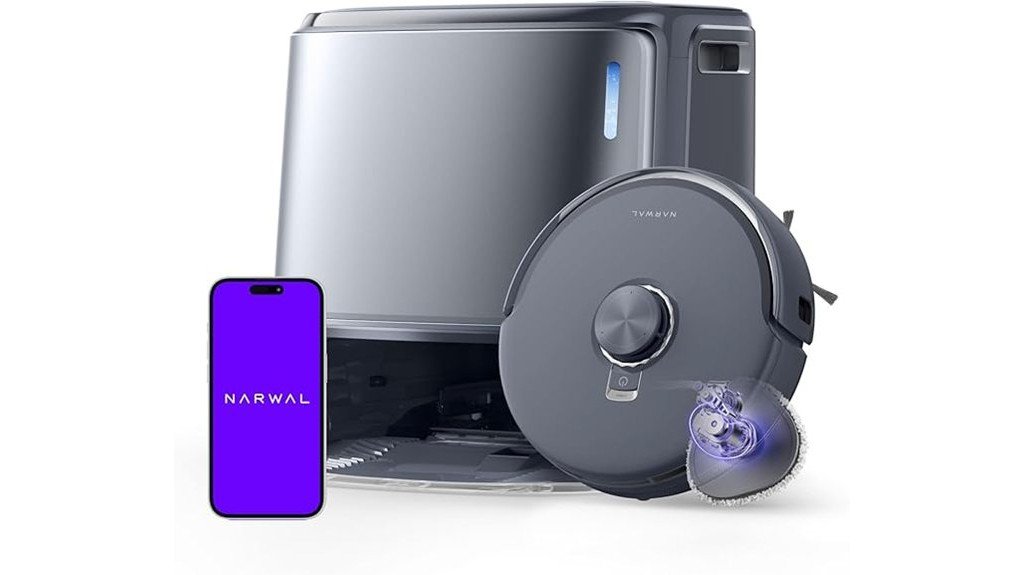
If you want a robot vacuum that really gets your pet’s messes, check out the NARWAL Freo Z10 Ultra. It has special AI cameras and chips that can spot over 200 objects, including pet accidents. This means it can find and clean up pet messes better than many others. The vacuum reacts quickly to obstacles, avoiding hazards and surprises with a 150mm buffer space. It has strong 18,000Pa suction power and a brush that doesn’t get tangled, so it cleans edges, corners, and under furniture easily. Plus, its mop can extend, swing, and put pressure on stains to help get stubborn spots clean. It moves precisely—getting within 8mm of furniture—and stays quiet, even with all this power.
Best For: pet owners and homes that want a smart cleaning robot that can handle different surfaces and avoid obstacles.
Pros:
- Its AI cameras and chips help it see and avoid pets and objects, reducing accidents and noise.
- It has powerful suction and cleans edges and corners well.
- Features like auto water drying, a self-emptying bin, and debris management make it easier to use and maintain.
Cons:
- Sometimes, Wi-Fi and app controls don’t work smoothly.
- Replacement parts like mop cartridges and dust bags cost more.
- The water pump can leak sometimes, which may cause damage and need customer support help.
eufy C10 Robot Vacuum, Self-Emptying with Smart Mapping and Powerful Suction

The eufy C10 Robot Vacuum is a great choice for busy homes. It has a self-emptying station with a 3-liter dust bag. This means you can go up to 60 days without emptying it. That saves you time and effort. With its 4,000 Pa of strong suction, it cleans pet hair, crumbs, and dirt easily. It can reach tight spots with its extendable CornerRover arm. Its smart LiDAR system makes clean, accurate maps of your home. It finds the best routes and easily goes under furniture. The slim design, just 2.85 inches tall, helps it reach under beds and couches. Cleaning becomes faster and easier with this little vacuum.
Best For: Homes with pets that shed a lot and need a powerful vacuum that doesn’t need much maintenance.
Good Things:
- The self-emptying station has a big 3-liter dust bag. You don’t need to empty it often.
- The vacuum has strong 4,000 Pa suction power. It picks up hair, dirt, and crumbs well.
- The smart LiDAR system makes accurate maps. It cleans tight spots and goes under furniture easily.
Things to Know:
- Setting up the vacuum can be a bit tricky at first.
- When it empties itself, it makes noise that might bother you.
- Sometimes, it has trouble seeing dark floors, which could affect its cleaning.
Factors to Consider When Choosing Robot Vacuums With AI Detection for Pet Waste
When choosing a robot vacuum with AI detection for pet waste, we find that detection accuracy is key—it can mean the difference between catching that rogue puddle or missing it entirely. Obstacle avoidance matters too, especially if your space is filled with furniture or cords—trust us, we’ve knocked a few things over trying to save a stuck vacuum! Plus, pay attention to cleaning modes, energy efficiency, and noise levels; a quiet motor that conserves battery and adapts to different messes makes life much easier.
Detection Accuracy
Getting good at detecting pet waste with robot vacuums isn’t just about fancy technology. It depends on how well their AI and sensors work together in real life. When I tested these vacuums, I saw that the best ones use both visual recognition and sensor data. This helps reduce false alarms and missed spots. Things like poor lighting or shiny floors can make it hard for even the smartest models. That’s why you want a vacuum that updates often and learns over time. A good AI helps the vacuum avoid hesitating or harming waste. This saves you time and keeps your floors safe. Some top models can detect over 95% of pet waste. They need fewer manual checks. My tip: pick a vacuum that gets regular software updates. This keeps its detection better over time.
Obstacle Avoidance
Dealing with pet waste can be tricky for robot vacuums. If you want one that works well without spreading messes or breaking things, it needs good obstacle detection. Modern sensors like LiDAR or dual cameras help the vacuum spot furniture, toys, and pet messes. We have tested vacuums that can recognize pet waste and avoid it. This means fewer false alarms and less smearing. The vacuum detects obstacles in real time and reacts fast—sometimes in just milliseconds. This quick reaction stops pets from re-marking or smearing their mess. Precise algorithms guide the vacuum to clean the whole room without bumping into fragile items. These systems get better with regular software updates. That makes obstacle avoidance smarter and more reliable over time. Good obstacle detection makes cleaning easier, less stressful, and more effective.
Cleaning Modes
Choosing the right cleaning mode on a robot vacuum with AI detection helps it clean better. It is not just about flipping a switch. It helps the vacuum clean pet messes more effectively. Some models can vacuum, mop, or do both. You can change modes easily depending on what you need.
Many AI vacuum cleaners can see pet waste and switch to a high-power or wet-mop mode. This saves you time and effort because the vacuum does not need your help. For small, only-in-one-place messes, you can use spot cleaning. This focuses the vacuum on one specific spot.
Edge cleaning helps it reach tricky corners where pet accidents may happen. Many advanced models let you set schedules or choose zones. This means the vacuum cleans regular spots or areas where pets often make messes.
Think of these cleaning modes as tools that help you keep your floors clean. They are easy to use and help you care for your home and pets better.
Energy Efficiency
When choosing robot vacuums with AI detection for pet waste, energy efficiency is very important. These vacuums plan their routes so they don’t waste power cleaning the same spots twice or trying to avoid obstacles. Some use smart sensors and mapping technology to find only dirty areas. This saves battery and electricity. AI-powered vacuums also avoid doing extra passes, which can cut cleaning time by up to 30%. Some models even lower their suction on clean floors to save battery while still cleaning well.
Look for vacuums with features like adaptive suction and smart navigation. These help you save money and energy while making sure pet messes are cleaned. Overall, these smart features make your cleaning more eco-friendly and energy-efficient.
Noise Levels
If you have pets, you know noise can be a big deal. A robot vacuum makes noise while cleaning. The louder it is, the more pets can get upset or hide. If the vacuum makes sounds between 55 and 65 decibels, it is quiet enough for pets to nap and for daily activities. This helps keep your pets calm. Some vacuums can reduce noise while still doing their job well. They use special sensors to find pet waste. Quieter vacuums are better because they don’t scare pets or interfere with the sensors. More quiet vacuums help the robot clean better and keep everyone happy.
Maintenance Requirements
Taking care of a robot vacuum with AI detection for pet waste is important. It helps the vacuum work well and keeps your pets happy. You should clean the sensors and obstacle sensors regularly. This makes sure the vacuum finds waste quickly and doesn’t cause messes.
Many robot vacuums have self-emptying bases. But you still need to empty or change the bags. How often you do this depends on how many pets and how much trash there is. Usually, you do it every 30 to 120 days.
If your vacuum has a water tank or mopping part, you need to fill and clean these often. This keeps odors away and stops mold from growing. Check the brushes and wheels too. Pet hair can get stuck and block the vacuum.
A good tip is to set a regular schedule for cleaning and checking your robot. Just like a car needs regular oil changes, your vacuum works better with routine care. This keeps it running smoothly and makes cleaning easier and faster.
Navigation Technology
Picking the right navigation tech is very important when choosing a robot vacuum that detects pet waste. This tech helps the vacuum move around your home better. Some vacuums use special sensors like LiDAR or cameras. These create clear maps of your rooms. The maps show where the furniture and walls are. This way, the vacuum can clean every corner.
AI systems help the vacuum see things in real time. They look at the environment using cameras and sensors. This helps the vacuum spot obstacles and pet waste quickly. Many vacuums use two or more sensors. This makes it easier for them to find and avoid toys, furniture, or pets.
Good navigation systems change as your home changes. If you buy new furniture or your pets move, the vacuum adjusts. This keeps cleaning better. A good navigation system makes sure the vacuum cleans all areas well. It also prevents it from smudging your floors or missing spots. With the right tech, your floors stay clean and fresh.
Integration Compatibility
When you pick a robot vacuum that detects pet waste with AI, make sure it connects smoothly to your smart home. If it works with Alexa or Google Assistant, you can use your voice to control it and set up routines easily. This saves you from getting down on your hands and knees.
Check if the vacuum can use third-party apps. These apps let you make custom settings to catch pet messes better. Also, see if the AI detection works well on your floors. Whether you have hardwood, tile, or carpet, the robot should find and clean waste accurately. If it doesn’t, cleaning can become frustrating.
It’s also good to know if the software gets updates often. Old software can cause issues or missed spots. Our advice? Pick a model made especially to find pet waste. Some models might need extra parts or updates to work at their best.
Frequently Asked Questions
How Effective Are AI Sensors at Detecting Different Types of Pet Waste?
AI sensors are quite effective at detecting various types of pet waste, identifying differences based on texture, color, and smell. They quickly adjust the vacuum’s responses to avoid messes and protect your floors efficiently.
Can Robot Vacuums Distinguish Between Pet Waste and Household Items?
Yes, modern robot vacuums with AI detection can distinguish between pet waste and household items. They use advanced sensors and algorithms to identify, avoid, or target waste, helping protect your floors while cleaning efficiently.
What Maintenance Is Required for AI Detection Systems in Robot Vacuums?
You should regularly clean sensors and cameras, update the software, and check for blockages or debris. This maintenance guarantees your AI detection system functions properly, helping your robot vacuum spot and avoid pet waste effectively.
Are Ai-Enabled Robot Vacuums Safe for Homes With Multiple Pets?
AI-enabled robot vacuums are generally safe for homes with multiple pets, as they effectively detect pet waste without damaging your floors. Just guarantee you regularly update the software and supervise initial uses to prevent mishaps.
How Do AI Detection Features Impact Battery Life and Cleaning Efficiency?
AI detection features can slightly decrease battery life because they require extra processing power, but they improve cleaning efficiency by accurately identifying pet waste, allowing your robot vacuum to target and avoid problematic areas more effectively.

Iris is a passionate tech enthusiast dedicated to helping consumers make informed technology decisions through honest, detailed product reviews and comprehensive buying guides.
