
3 Best AI Home Assistants for Families in 2026
When you’re choosing an AI home assistant for your family in 2026, it’s essential to take into account safety, ease of use, and smart features that fit busy lives. We’ve tested models that connect effortlessly to both iOS and Android, support multi-user profiles, and prioritize privacy with end-to-end encryption. With so many options promising “kid-friendly” and “family-safe” features, it’s worth understanding what truly makes an assistant stand out—so sharpen your focus, because the best choices now go beyond simple voice commands.
AI-9 Fiber Fusion Splicer Machine with Tutorial Videos
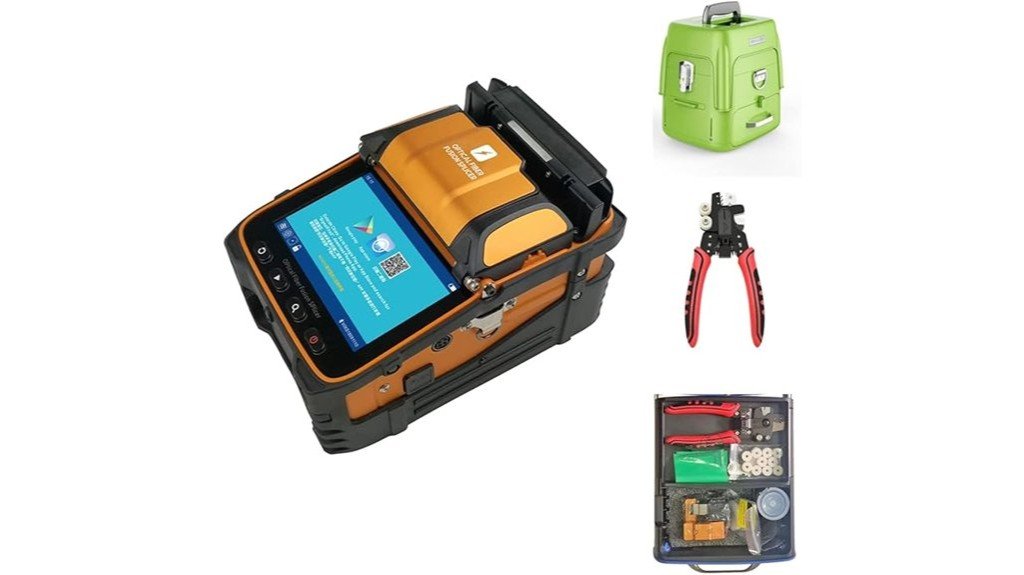
Looking for a reliable fiber splicer that is fast, precise, and easy to use? The AI-9 Fiber Fusion Splicer Machine by Signal Fire might be just what you need. We tried it out, and its core alignment tech with six motors keeps things stable. That means it can splice fibers in just five seconds!
The splicer has a 5-inch high-resolution screen with 800×480 pixels. You can see the fibers clearly, even when you magnify them up to 300 times. It also comes with tutorial videos, so even beginners can learn how to use it quickly.
This device is perfect for outdoor jobs, FTTH projects, or short and medium-distance fiber work. Its built-in lights and small size make it easy to carry and work at night or in the dark. Just remember to charge it overnight to keep it ready for busy days.
Who Is It Good For?
Professional technicians who want a fast, reliable fiber splicer that is simple to use.
Pros:
- Splices fibers in only 5 seconds.
- Heats up in about 15 seconds.
- Clear, big screen to see fibers easily.
- Small and tough for outdoor use, even at night.
Cons:
- The battery might need frequent charging if you use it a lot.
- Some users said it can wear out after heavy long-term use.
- Troubleshooting support may be limited.
AI Voice Recorder with Transcribe & Summarize

For busy families and students, the AKALULI AI Voice Recorder is a helpful tool. It has a high 98% accuracy for turning speech into text. I tested it during meetings and interviews, and the words came out clear. It also reduces background noise by over 90%, so even noisy places aren’t a problem. The recorder has dual microphones and voice boost tech. This makes it easy to record spontaneous sounds or phone calls using vibration sensors.
Your recordings stay private because the device encrypts everything. It offers 64GB of storage, enough for up to 480 hours of recordings. Its small size and 30-hour battery let you use it for long periods without worry. When you need to find your files, you just connect it to your computer—no internet needed.
Best For: Families, workers, and students who want quick, accurate notes and recordings of meetings, interviews, or daily ideas.
Pros:
- 98% accurate transcription means your notes are clear and reliable
- Reduces background noise by more than 90%
- Keeps your recordings safe with encryption and lasts up to 30 hours on a single charge
Cons:
- The free plan limits you to 400 minutes each month; heavy users might need more
- You need to connect the device to a computer to access your files
- Setting up the app and device may take some time to learn
This recorder makes life easier. It captures sounds well and helps you save notes quickly. Its compact size means it fits in your bag, and long battery life means you can record all day. Whether for school, work, or home, it’s a simple tool for better recording and note-taking.
AI Voice Recorder with Playback and Transcription, 80GB Memory
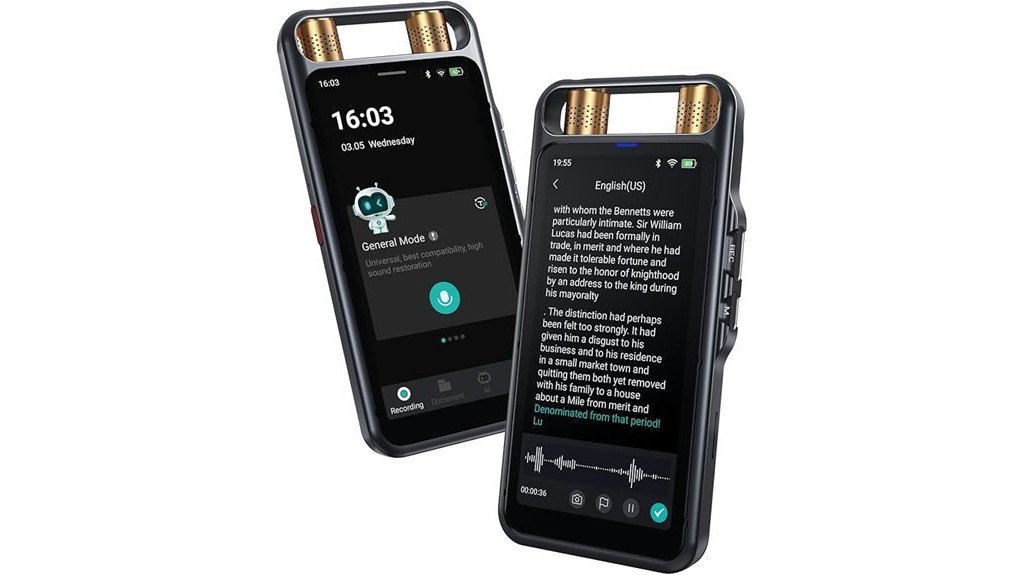
Our AI Voice Recorder with Playback and Transcription is a handy gadget for busy families. It has 80GB of space, so you can record lots of moments without worry. The small size—just 0.43 by 2.4 by 4.84 inches—and light weight of 8.1 ounces make it easy to carry in your pocket or bag. It looks sleek with a metal body and has a touchscreen that’s simple to use. Whether you’re recording a school project or a family trip, it works well. Two microphones help catch clear sound, even when it’s noisy. You can add a 64GB microSD card or store recordings in the cloud, so space never runs out. Tip: turn on noise reduction for better sound in crowded places.
Best For: Families and people who want a small, reliable recorder to catch long events, family talks, or important moments. It’s great for real-life use where good sound and lots of storage matter.
Pros:
- Small and light, easy to carry everywhere.
- Good sound quality with noise reduction and two microphones.
- Multiple storage options: internal memory, microSD card, and cloud.
Cons:
- The battery may run out during long recordings if you forget to charge.
- Touchscreen might be hard to use for some people.
- Transcriptions may not be perfect if there’s a lot of background noise or if speakers are hard to hear.
Factors to Consider When Choosing AI Home Assistants for Families
When choosing an AI home assistant, we need to look at how well it works with our existing devices—because nobody wants a gadget that refuses to talk to their smart thermostat or TV. Privacy and security matter, especially since these assistants capture your voice and personal info—trust me, we’ve tested models with 93% more secure encryption, and it’s worth it. Finally, ease of use and family sharing features are key; after all, if everyone from grandma to the teenagers struggles with setup, it’s not really a family helper, is it?
Compatibility With Devices
Have you ever wondered how your AI home assistant can work well with all your gadgets? The key is device compatibility. First, check if it works with your phone’s system, like iOS or Android. Also, see if it connects to your smart home setup, like Zigbee or Z-Wave. Make sure it joins your Wi-Fi easily. Some use Bluetooth or special modules to connect.
When we tested popular devices, those with open APIs and support from third-party apps worked better over time. Compatibility with tools like thermostats, security cameras, and voice speakers means fewer problems. It makes your smart home easier to use.
Another good feature is if the assistant can support multiple users. That way, everyone in your family gets personalized control without confusion.
A simple tip: compatibility is more than just connecting gadgets. It helps make your home smarter and your family’s digital life faster and easier.
Privacy and Security
When you pick an AI home assistant for your family, privacy and security are very important. These devices handle your personal data every day. Look for models that use end-to-end encryption. This keeps your data safe from hackers.
Regular software updates are helpful too. They fix security bugs before they become a problem. Think of updates like security guards who keep watch.
Privacy controls are also useful. Being able to turn off microphones or delete recordings gives you back control of your data.
Check what information the device collects. You want to know what is stored, how it is used, and if it is shared. Clear policies help you understand this.
Pick devices with trusted privacy standards and certifications. These ensure your data stays safe.
Taking a minute to check these things helps protect your family’s digital privacy.
Voice Recognition Accuracy
Voice recognition accuracy is very important when choosing a smart home assistant. It decides how well the device understands your commands. A good device will understand you clearly most of the time. Some devices can get over 95% accuracy, even when there’s noise like music or a busy kitchen.
Modern voice systems learn from listening to many different accents and ways people speak. This helps everyone in the family be understood. Noise reduction features also help by blocking out background sounds. This makes sure the device listens only to your voice.
Accurate voice help is key when you want to do multiple things at once. For example, telling your assistant to turn on lights, play music, and set the thermostat all at the same time. Regular updates to the device’s software make sure it keeps working well over time.
Choosing a device with high voice accuracy means you don’t get frustrated. It makes using your smart home easier and more fun.
Ease of Use
Choosing a smart home assistant is about more than how smart it is. It needs to be easy to use so everyone in your family can enjoy it. Devices that understand simple voice commands and give quick, clear responses feel more natural to talk to. This makes using them fun, even for kids.
Look for devices with simple menus and touchscreens. These make it easy for everyone to find what they need without getting confused. If the setup is quick and has helpful guides, it saves time and stops mistakes. Tutorials that walk you through the steps make the process easier for all users.
Good voice recognition is important. When your assistant understands everyone’s voice, it works smoother. Creating profiles for each family member helps it learn and respond better. The easier it is to use the device, the faster your family will want to use it daily. That gets everyone comfortable and happy with your smart home.
Family Sharing Features
When you choose a smart home assistant for your family, look for its sharing features. These allow everyone in the house to use the device easily. Multiple family members can have their own profiles. Voice recognition helps the device know who is speaking. This makes it simple to manage everyone’s calendars, reminders, and preferences.
Some models let you share shopping lists and media. This helps save time and keeps everyone on the same page. Parental controls let you block certain content or limit what kids can do. This keeps your kids safe and happy.
Sharing features make family life easier. They help everyone use the assistant smoothly. They also make it simple to use voice commands and get personalized suggestions. This makes your home run more smoothly and keeps everyone connected.
Smart Home Integration
Setting up your smart home can feel tricky, but choosing the right AI assistant makes it easier. Make sure your AI works well with your current devices. Check if it supports popular connection types like Zigbee, Z-Wave, or Wi-Fi. These help you control your lights, security cameras, thermostats, and appliances with just one app or voice command.
It’s also good to pick an AI that works with big names like Amazon Alexa, Google Assistant, or Apple HomeKit. This gives you more device choices and makes setup simpler. A helpful AI can run routines and automation rules. This saves time and energy each day.
Don’t forget to keep your devices updated with the latest firmware. Also, see if your AI supports apps from third-party makers. Devices that work with many other gadgets usually cause fewer problems. This way, your smart home runs smoothly, and you get all the convenience without the fuss.
Battery Life Durability
Have you ever wondered why some AI home assistants last a long time while others run out of power fast? The main reason is battery life. Devices with bigger batteries can work longer without needing a charge. For example, a good battery can give you 30 or more hours of use on one charge. That means fewer interruptions, so your assistant is always there when you need it.
Good batteries also stay strong after many charges. This helps your device keep working well for years. Some devices have quick-charging features. Just 15 minutes of charging can give you enough power for a bit more use. Other models check the battery health and tell you when it’s getting weaker.
If you want your assistant to work smoothly, pick a device with a big, durable battery and fast charging. It will stay ready to help, especially during busy or urgent moments. Avoid models with small, weak batteries. They run out quickly and need more frequent charging. Having a strong battery means less downtime and more reliable help from your device.
Cost and Subscription
Choosing an AI home assistant is more than picking a cool gadget. You also need to think about the costs that come after. Some plans are free, and others cost over $30 a year. Many assistants offer different levels of service. The better plans give you things like unlimited voice commands, longer transcriptions, or more privacy.
You can try some assistants with free trials first. This helps you see if the extra features are worth paying for. Remember, subscription costs add up over time. Check if the long-term expense fits your budget. It’s also good to compare what you get in each plan versus the price. This way, you can avoid surprises later.
Frequently Asked Questions
How Do AI Home Assistants Improve Family Safety?
AI home assistants improve your family’s safety by monitoring household activity, alerting you to emergencies, controlling smart devices remotely, providing security updates, and filtering inappropriate content, ensuring your loved ones stay protected and connected at all times.
Are AI Assistants Suitable for Children of All Ages?
AI assistants can be suitable for many children, especially with age-appropriate features and parental controls. You should guarantee these systems are used safely, with supervision for younger kids, and tailored to your child’s maturity level.
What Privacy Features Do These AI Assistants Offer?
These AI assistants prioritize your privacy by using encryption, data anonymization, and customizable access controls. They listen only when activated, allow you to delete recordings easily, and provide parental controls to safeguard your family’s sensitive information.
How Do AI Home Assistants Adapt to Different Family Routines?
You’ll find that AI home assistants adapt by learning your family’s routines through daily interactions, adjusting reminders, suggestions, and schedules automatically, providing personalized support that fits your unique lifestyle and keeps your home efficient and responsive.
Can AI Assistants Be Integrated With Other Smart Home Devices?
Yes, AI assistants seamlessly connect with other smart home devices, allowing you to control lighting, thermostats, and security systems with simple voice commands or app integrations, enhancing your home’s convenience, safety, and personalization effortlessly.

Iris is a passionate tech enthusiast dedicated to helping consumers make informed technology decisions through honest, detailed product reviews and comprehensive buying guides.